

Tips for Managing an SMSF During a Market Correction Market corrections are a natural part of the economic cycle, often causing anxiety among investors. As an SMSF trustee, it’s crucial to navigate these turbulent times with a steady hand and informed strategy. Here are some essential tips to help you manage your SMSF during […]
Tips for Managing an SMSF During a Market Correction
Market corrections are a natural part of the economic cycle, often causing anxiety among investors. As an SMSF trustee, it’s crucial to navigate these turbulent times with a steady hand and informed strategy. Here are some essential tips to help you manage your SMSF during a market correction.
1. Stay Calm and Avoid Knee-Jerk Reactions

Market corrections, while unsettling, are typically temporary. Reacting impulsively by selling off assets can lock in losses and hinder long-term growth. Remember, your SMSF is a long-term investment vehicle and patience often pays off.
2. Review and Rebalance Your Portfolio
Take this time to review your SMSF’s investment portfolio. Ensure it remains aligned with your long-term financial goals and risk tolerance. Rebalancing your portfolio can help you capitalize on lower asset prices, potentially boosting future returns.
3. Diversify Your Investments
Diversification Table
| Asset Class | Current Allocation | Recommended Allocation |
|---|---|---|
| Equities | 40% | 35% |
| Bonds | 20% | 25% |
| Real Estate | 20% | 20% |
| Gold | 10% | 10% |
| Cryptocurrency | 10% | 10% |
Diversification is a fundamental strategy to mitigate risk. Spread your investments across different asset classes, such as equities, bonds, real estate and alternative investments like gold and cryptocurrency. A well-diversified portfolio can cushion the impact of a market correction on your SMSF.
4. Focus on Quality Investments
Quality Investments Diagram
During a correction, quality investments often fare better than speculative ones. Focus on assets with strong fundamentals, such as blue-chip stocks, government bonds and prime real estate. These investments tend to be more resilient and recover faster post-correction.
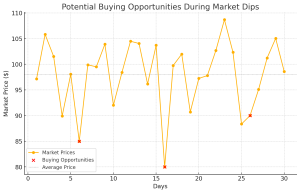
5. Take Advantage of Buying Opportunities
Buying Opportunities Graph
Market corrections can present attractive buying opportunities. Consider investing in undervalued assets that have strong long-term potential. This strategy, known as “buying the dip,” can enhance your SMSF’s performance when the market recovers.
6. Maintain a Cash Reserve
Cash Reserve Allocation Table
| Category | Recommended Allocation |
|---|---|
| Emergency Expenses | 10% |
| Investment Opportunities | 5% |
| Operating Expenses | 5% |
Having a cash reserve in your SMSF provides flexibility during market corrections. It allows you to meet any unexpected expenses without having to sell investments at a loss. Additionally, it positions you to take advantage of investment opportunities that arise during market downturns.
7. Stay Informed and Seek Professional Advice
Keep yourself informed about market trends and economic indicators. However, avoid being swayed by sensationalist media reports. For personalized advice, consider consulting with a financial advisor who specializes in SMSFs. They can provide tailored strategies to help you navigate the correction effectively.
8. Review Your SMSF’s Investment Strategy
Ensure your SMSF’s investment strategy is robust enough to weather market volatility. This strategy should include clear guidelines on asset allocation, risk management and liquidity. Regularly reviewing and updating this strategy can help you stay on track towards your retirement goals.
9. Stay Compliant
During a market correction, it’s easy to get caught up in managing investments and overlook compliance requirements. Ensure you continue to meet all regulatory obligations, such as timely lodgment of returns and adherence to the investment strategy. Non-compliance can result in penalties, adding unnecessary financial strain.
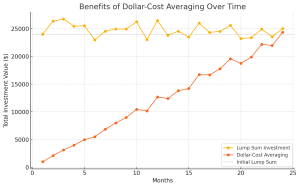
10. Consider Dollar-Cost Averaging
Dollar-cost averaging involves regularly investing a fixed amount of money, regardless of market conditions. This strategy can reduce the impact of volatility on your SMSF by spreading your investment over time. It also helps in purchasing more units when prices are low, potentially enhancing returns when the market rebounds.
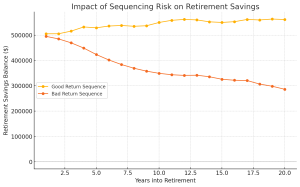
11. Understand and Manage Sequencing Risk
Sequencing Risk Timeline
Sequencing risk is particularly critical for those approaching retirement. It refers to the risk of experiencing poor investment returns at the beginning of your retirement, which can significantly impact the longevity of your retirement savings. To mitigate sequencing risk, consider implementing strategies such as reducing exposure to high-risk investments as you near retirement, increasing your allocation to more stable income-producing assets like bonds and term deposits and maintaining a sufficient cash buffer to cover several years of living expenses. This approach can provide a safety net, allowing you to ride out market downturns without needing to sell investments at a loss.
Conclusion
Market corrections are challenging, but they also offer opportunities for prudent SMSF trustees. By staying calm, informed and strategic, you can navigate these periods successfully and ensure your SMSF remains on a solid path towards your retirement goals. Remember, it’s the long-term performance that counts and weathering short-term storms is part of the journey.
ADDITIONAL INFORMATION:
Contact My SMSF – Contact Us | SMSF Setup, SMSF Accounting and SMSF Loans (mysmsfproperty.com.au)
Money Smart: Article Link