
ESG, which stands for Environmental, Social and Governance, represents a set of criteria used by investors to evaluate the sustainability and ethical impact of their investments.
Introduction to ESG
ESG, which stands for Environmental, Social and Governance, represents a set of criteria used by investors to evaluate the sustainability and ethical impact of their investments. These factors encompass a wide range of issues, from a company’s carbon footprint and environmental practices (Environmental) to its labour policies, diversity and community engagement (Social) and finally to its corporate governance, such as executive compensation, board structure and shareholder rights (Governance). While ESG principles aim to encourage responsible investing and long-term value creation, their integration into managed funds has sparked debates about transparency, political agendas and the balance between financial returns and social objectives.
Perceived Lack of Transparency
| Aspect | Description |
| ESG Priorities | Large asset managers like BlackRock often prioritize ESG (Environmental, Social and Governance) criteria in their investment strategies. |
| Forced Compliance | ESG strategies may impose political or ideological agendas on stakeholders, sometimes without clear disclosure. |
Investor Choice vs. Corporate Influence
| Challenges | Details |
| Bundled Investments | Managed funds and ETFs group investments to meet ESG principles, potentially conflicting with investor goals. |
| Debate on Priorities | Critics argue these strategies focus on social/environmental objectives over financial returns. |
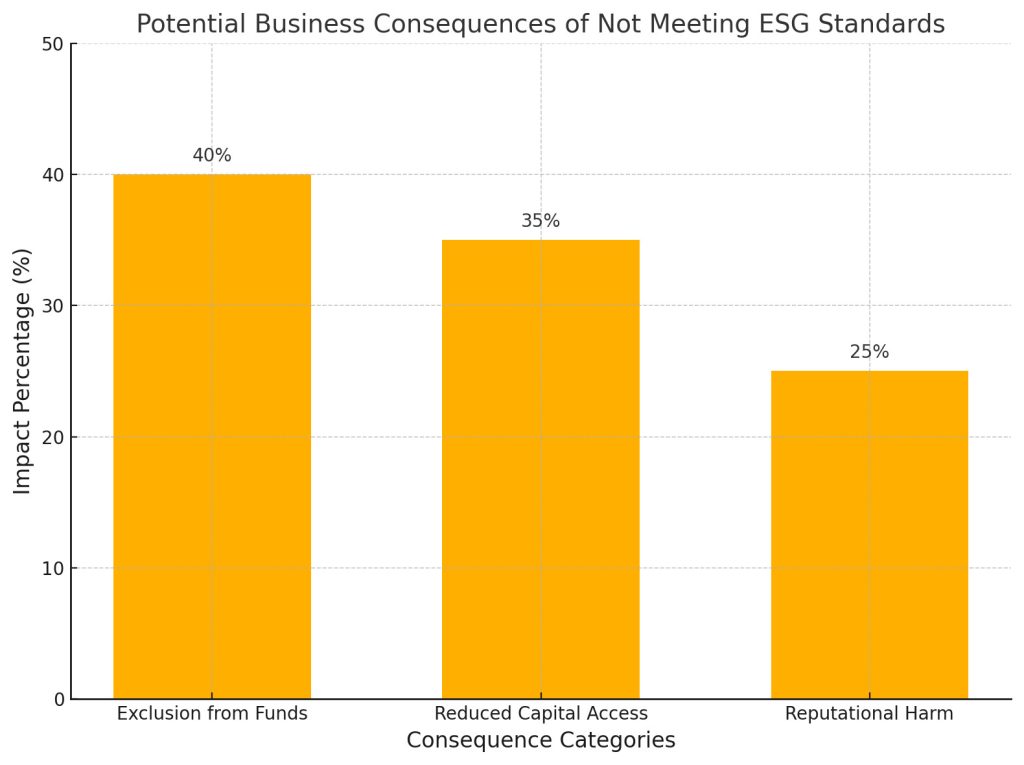
Potential Penalties for Non-Compliance
Consequences for Companies:
- Exclusion: Businesses not meeting ESG standards may face exclusion from certain funds.
- Reduced Access to Capital: Non-compliance can limit access to funding sources.
- Reputational Harm: ESG-related exclusion can impact public perception.
How SMSF Investors Can Navigate These Concerns
1. Understand the Fund’s Agenda
| Action | Purpose |
| Review Prospectuses | Examine fund documents for ESG policies and inclusion/exclusion criteria. |
| Examine Voting Practices | Investigate proxy voting practices of funds to ensure alignment with personal values. |
2. Seek Alternative Investment Options
| Options | Description |
| Non-ESG Managed Funds | Funds focusing primarily on financial performance without ESG overlays. |
| Custom Portfolios | Direct investments through an SMSF allow for tailored asset selection to meet personal goals. |
Table: ESG vs. Non-ESG Fund Focus
| Type of Fund | Focus | Example |
| ESG-Focused Funds | Environmental & Social Goals | iShares ESG Aware MSCI USA ETF |
| Non-ESG Funds | Financial Performance | BetaShares Australian Dividend Fund |
3. Focus on Transparency and Governance
| Option | Benefit |
| Actively Managed Funds | Greater insights into how investments are chosen, allowing trustees to align with objectives. |
| ETF Screeners | Tools to filter funds based on criteria like “Non-ESG” or “High Dividend Yield.” |
4. Consider Thematic or Sector-Specific Investments
| Investment Type | Focus |
| Exclusionary Funds | Omit certain ESG themes, focusing on traditional financial metrics (e.g., fossil fuels, mining). |
| Sector ETFs | Target specific industries like mining or industrials to avoid ESG-heavy themes. |
Examples of Alternatives for SMSF Investors
Managed Funds
| Fund Name | Description |
| VanEck Vectors Morningstar Wide Moat ETF | Focuses on competitive advantages with minimal ESG emphasis. |
| BetaShares Australian Dividend Harvester Fund | High-yield Australian equities without explicit ESG criteria. |
ETFs
| ETF Name | Description |
| SPDR S&P 500 ETF | Tracks the S&P 500 index with no ESG overlay. |
| iShares Select Dividend ETF | Invests in dividend-paying companies without a dedicated ESG agenda. |
Direct Investments
| Option | Description |
| Individual ASX Stocks | Select companies aligning with personal values and financial goals. |
| Diversified Portfolios | Fixed Interest or international equities without ESG mandates. |
Alternatives to Avoid Forced ESG Adoption
| Option | Details |
| Ethics-Exclusive Funds | Funds emphasizing financial returns without promoting specific ESG themes. |
| Active Portfolio Management | Directly build portfolios free of ESG-driven influences. |
| Private Equity or Real Assets | Invest in property or tangible assets like precious metals to sidestep public market ESG mandates. |
Conclusion
For SMSF investors concerned about ESG and ideological agendas, leveraging the flexibility of an SMSF structure is essential.
Key Takeaways:
- Understand Fund Agendas: Review prospectuses and voting practices for transparency.
- Seek Alternatives: Use non-ESG funds, direct investments, or custom portfolios.
- Prioritize Governance: Focus on transparency with actively managed funds or ETF screeners.
By adopting these strategies, SMSF investors can maintain control over their portfolios, ensuring alignment with personal values and financial goals without compromising on transparency or returns.
Disclaimer: This article is general information only. We do not receive commercial incentives from any named ETF or managed fund providers. Please seek advice regarding all SMSF investing matters. This information is accurate at the time of writing, the respective laws and regulations may change over time.