
SMSF Holiday Park Cabin Investments The Trend,Features, Costs & Title Explained Holiday park cabins are gaining popularity among SMSF investors across Australia. Demand for holiday chalets and short-stay accommodation continues to grow, particularly in regional lifestyle locations. For many trustees, these investments feel more accessible than traditional property because: The entry price is lower Stamp […]
SMSF Holiday Park Cabin Investments
The Trend,Features, Costs & Title Explained
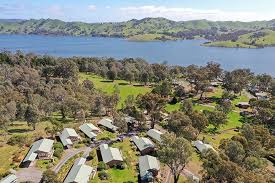


Holiday park cabins are gaining popularity among SMSF investors across Australia. Demand for holiday chalets and short-stay accommodation continues to grow, particularly in regional lifestyle locations.
For many trustees, these investments feel more accessible than traditional property because:
-
The entry price is lower
-
Stamp duty can be minimal depending on structure
-
Land tax may not apply (subject to legal interest)
-
Ongoing management is handled by an operator
As a result, SMSF holiday park cabin investments are increasingly appealing to:
-
Retirees in pension phase seeking income
-
First-time SMSF property investors
-
Trustees wanting cashflow-focused assets
Let’s break down how they work and why they may suit certain SMSF strategies.
What Is an SMSF Holiday Park Cabin Investment?



In Australia, most holiday park cabin investments follow a straightforward structure:
-
The SMSF purchases the cabin as a chattel (movable asset)
-
The park operator grants a site licence or agreement
-
The operator manages bookings and distributes net income
Unlike buying a house or unit, trustees often do not purchase the land itself. Instead, the fund owns the cabin and receives income generated through the park’s accommodation operations.
Because of this structure, the investment can feel simpler than traditional property ownership.
Why First-Time SMSF Property Investors Like This Structure
For trustees entering property investment for the first time, traditional residential purchases can feel overwhelming due to:
-
High purchase prices
-
Stamp duty costs
-
Ongoing tenant management
-
Land tax thresholds
In contrast, a holiday park cabin investment offers:
1. Lower Entry Price
At around $190,000, this type of asset sits well below metropolitan residential prices. Therefore, diversification becomes easier inside smaller SMSFs.
2. Professional Management
The operator handles:
-
Guest bookings
-
Cleaning and linen
-
Pricing adjustments
-
Marketing
As a result, trustees avoid direct tenant management.
3. Strong Cashflow Profile
From your example:
-
Purchase price: $190,000
-
Gross revenue: $63,875
-
Net income: $30,712
-
Advertised return: 16.16%
Even if growth assumptions sit around 4–5%, the income yield itself remains attractive for retirees seeking pension-phase income.
For many pension funds, reliable cashflow matters more than long-term capital growth.
The $/sqm Value Gauge — Why It Looks Attractive
One useful way to assess value is price per square metre.
At $190,000:
-
40 sqm cabin ≈ $4,750/sqm
-
50 sqm cabin ≈ $3,800/sqm
-
60 sqm cabin ≈ $3,167/sqm
Compared to capital city apartments, this pricing is significantly lower representing great valule.
Now, while it is not strictly comparable to traditional strata property, the size-based value does highlight affordability and accessibility for SMSF trustees.In other words, for first-time property investors inside super, this can represent an achievable stepping stone into property exposure and for retirees in pension phase, it represents a great tax free income in retirement in a fast growing holiday investment.
Understanding the Cost Structure
Projected returns rely on transparent costs.
From the example provided:
-
Site rental: $14,000
-
Management fee (20%): $12,775
-
Cleaning & maintenance: $6,387
Total expenses: $33,162
Net income: $30,712
Importantly, these costs are predictable and structured.
Unlike residential property where unexpected repairs or vacancy periods may occur, holiday park models often operate under established revenue-sharing arrangements.
For retirees seeking structured income rather than hands-on management, this clarity can be attractive.
Title & Ownership — Simple Structure for Many Trustees
Before investing, trustees should understand what the SMSF owns.
Common structures include:
-
Cabin as a chattel (most common)
-
Licence to occupy site
-
Leasehold arrangement
In most holiday park structures, the SMSF owns the cabin itself while the park owns the underlying land.
This structure may reduce exposure to land tax in some cases, depending on state legislation and legal interest held.
Because the asset classification is generally straightforward, reporting and accounting can be simpler than more complex property structures.
Why Retirees in Pension Phase May Like This Asset
For pension-phase SMSFs, income generation becomes the primary focus.
Holiday park cabins may suit pension-phase strategies because:
-
Yield can exceed metropolitan rental returns
-
Professional management reduces involvement
-
Lower capital outlay allows liquidity flexibility
-
Income may support minimum pension drawdowns
For retirees seeking consistent income rather than long-term capital accumulation, this model can align well with objectives.
Land Tax Position — Why It Can Be Advantageous
Land tax in Australia depends on the legal interest held.
Where the SMSF owns only the cabin and holds a site licence, the fund may not hold a taxable land interest. Consequently, land tax may not apply in certain structures.
However, trustees should confirm the legal arrangement in writing.
When structured correctly, the absence of land ownership can reduce ongoing state-based property costs.
Is There More Demand Than Supply?
Current accommodation trends suggest that demand is outpacing supply growth in the holiday cabin segment. With more than 15.2 million caravan and camping trips taken in the year ending 2024, Australians continue to seek affordable, flexible short-stay options, with cabins being one of the most preferred formats. At the same time, holiday parks now numbering over 2,500 nationwide have steadily expanded their cabin offerings, but not at a rate that fully matches rising visitor demand. Average cabin occupancy levels around 60% nationally, climbing to approximately 64% in peak periods such as December, indicate that available cabin stock is being effectively filled year-round. This sustained high utilisation, combined with ongoing growth in domestic travel, suggests that cabins remain in high demand relative to current supply, especially in popular coastal and regional tourism destinations. For SMSF investors, this dynamic means income potential isn’t just theoretical it is underpinned by real accommodation demand across Australia.
FAQs
Can my SMSF buy one of these cabins?
Yes, provided the investment satisfies the sole purpose test and operates for retirement benefit only.
Can members stay in it?
Generally, no. SMSF investments must not provide present-day member benefit.
Is it really “no land tax”?
It depends on the legal structure. In many chattel + licence arrangements, land tax may not apply.
Is this suitable for first-time SMSF property investors?
Yes. The lower entry cost and professional management model often make it accessible for trustees entering property investment for the first time.
Is it suitable for pension-phase funds?
Yes. The income-focused structure can support pension payment obligations with no tax to pay
Final Thoughts
An SMSF holiday park cabin investment can offer:
-
Lower entry cost
-
Attractive yield
-
Professional management
-
Potential land tax advantages
-
Simplified ownership structure
For first-time property investors and retirees seeking income, this structure can represent a practical alternative to traditional residential property.
As always, trustees should ensure the investment aligns with their fund’s documented investment strategy.
Disclaimer
General information only. This article does not consider your objectives, financial situation, or needs. Always obtain independent SMSF advice before acting.
11) Disclaimer and important links
General information only. This article does not consider your objectives, financial situation, or needs. SMSF property decisions carry legal, tax and compliance risk. Obtain independent advice (SMSF tax, legal and financial) before acting.
Useful links
- My SMSF contact page (setups & support): https://mysmsfproperty.com.au/contact-us-for-setups-and-support/
- ASIC MoneySmart: SMSFs and property: https://moneysmart.gov.au/property-investment/smsfs-and-property
- Revenue VIC land tax : https://www.sro.vic.gov.au/self-service-options/portals/my-land-tax